
Baobang Electric Signs Contract for China's First Domestic Unit of 200 m³/min Magnetic Levitation Air Compressor
Baobang Electric Signs Contract for China's First Domestic Unit of 200 m3/min Magnetic Levitation Air Compressor
Recently, Suzhou Baobang Electric signed a contract with Hubei Landun New Material Technology Co., Ltd. for a 900 kW, 5.5 bar, 200 m3/min magnetic levitation centrifugal air compressor. This is the first domestic unit of its specification, filling the product gap for domestically produced magnetic levitation air compressors in the 200 m3/min flow range at conventional industrial pressure levels.
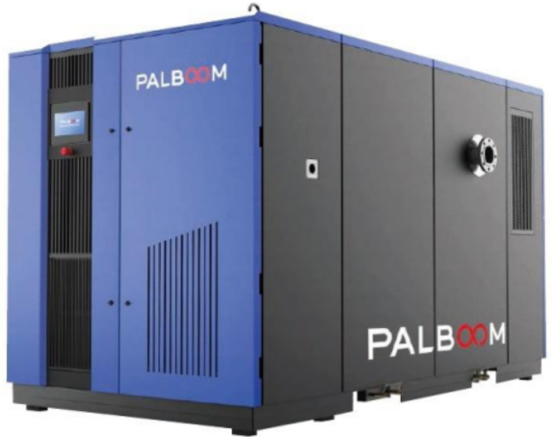
In the new materials and fine chemicals sectors, demand for clean compressed air in the 5–6 bar range at flows of hundreds of cubic meters per minute is concentrated, and previous project selections mostly relied on conventional geared centrifugal compressors or imported models. The equipment in this contract adopts Baobang's proprietary magnetic levitation bearings, high-speed permanent magnet (PM) motors, and 3D impellers, eliminating the speed-increasing gearbox and lubricating oil system and structurally removing gear losses and oil contamination risks. Full-operating-condition variable-frequency regulation corresponds to the customer's need for continuous and stable gas supply.
For the magnetic levitation air compressor category, the 200 m3/min, 5.5 bar condition represents a flow–pressure segment not previously covered by domestic equipment. The engineering significance of this order lies not in the parameters of a single unit but in the fact that the engineering capability of domestic magnetic levitation equipment to undertake ultra-large-flow gas source projects at conventional industrial pressures has been concretely verified, adding a reference selection sample for energy-saving retrofits and domestic substitution of air compressor stations in the new materials industry. The equipment's long-term operating performance and energy efficiency data under actual working conditions remain key indicators for observing its engineering maturity.